01
MRI
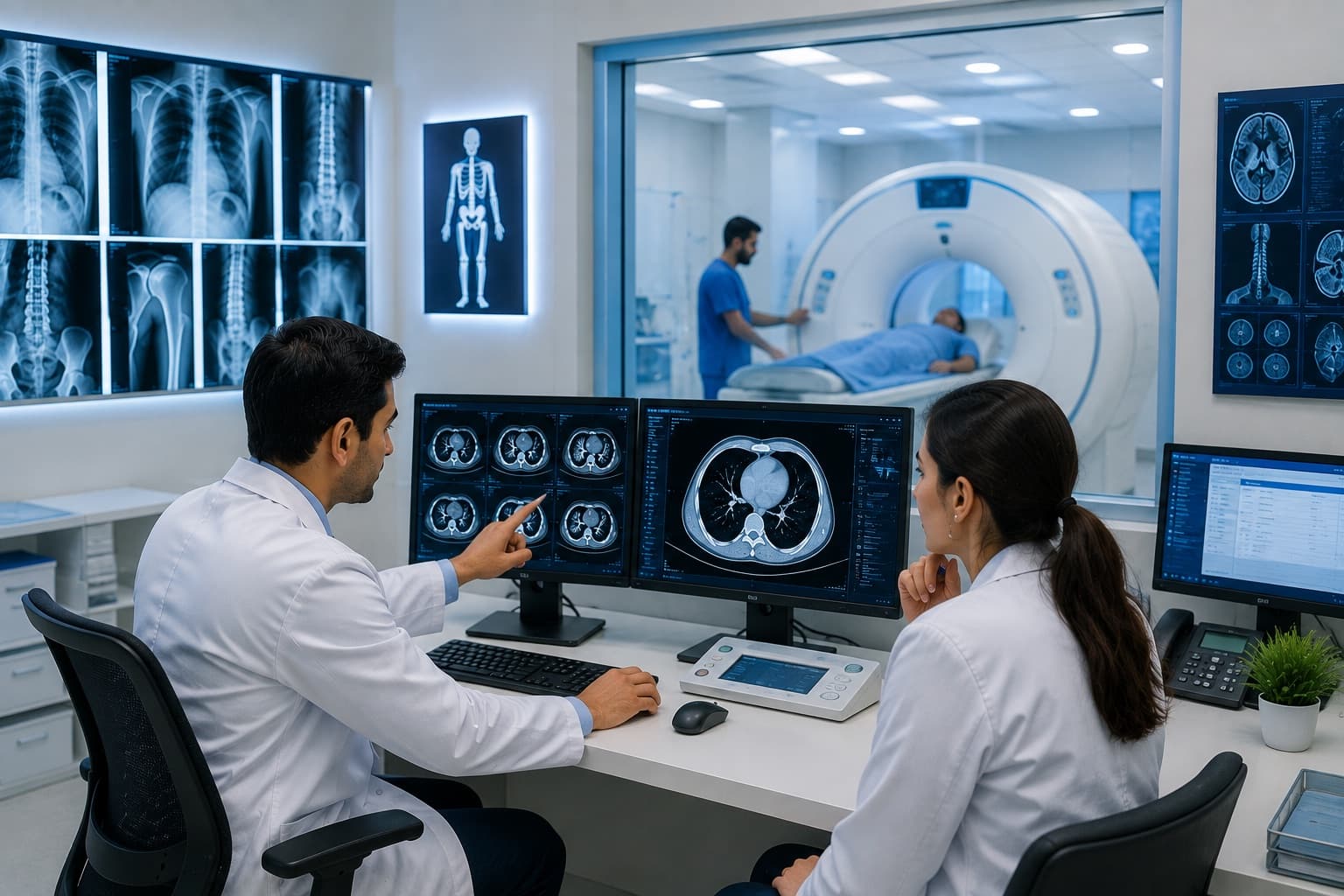
Detailed imaging helps the clinical team identify and plan the treatment target.

Advanced tremor care
A precise, incision-free treatment option for eligible patients living with disabling tremor.
Tremor can make holding a cup, writing a message, eating, dressing, or using a phone unexpectedly difficult. For appropriately selected patients, MRgFUS combines MRI guidance, focused ultrasound, and precise brain targeting to address a specific tremor pathway—without an incision.
Eligibility and expected benefit can only be determined after specialist evaluation.
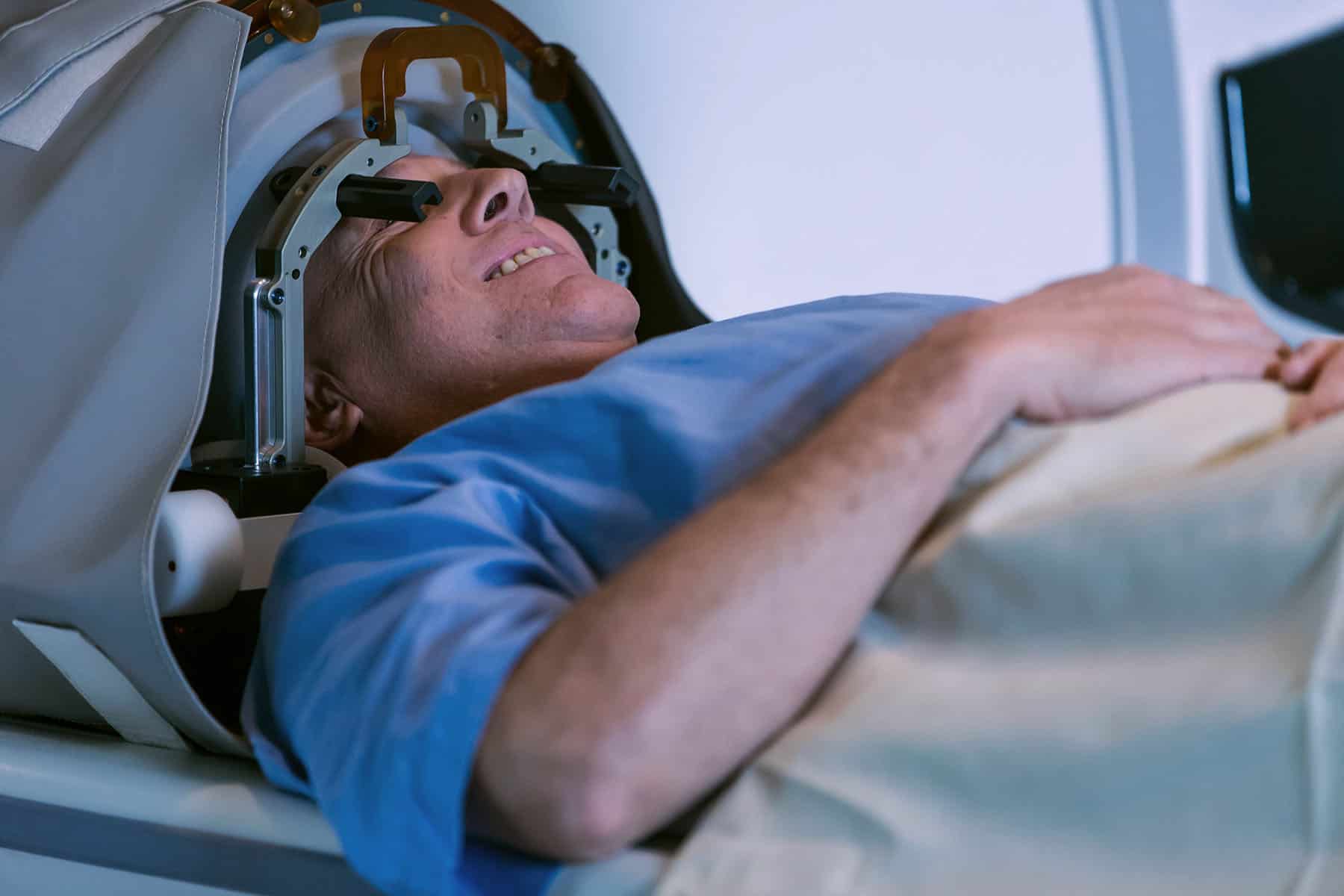
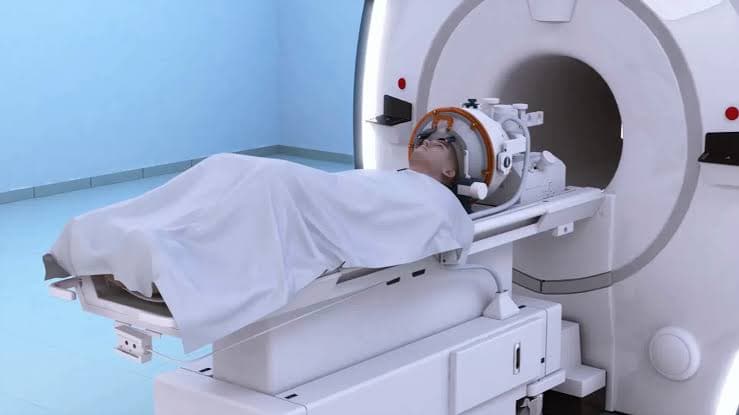
MRI + Ultrasound + Clinical feedback
Three layers of guidance help the treating team plan, assess, and monitor a targeted procedure.
The technology, made understandable
MRgFUS is a non-invasive treatment technology that brings advanced MRI and focused ultrasound together. MRI helps the medical team see, plan, and monitor the treatment area. Multiple sound waves pass through the skull and converge at a carefully selected point, where their combined energy can create a controlled therapeutic effect without opening the skull.
Detailed imaging helps the clinical team identify and plan the treatment target.
Multiple ultrasound waves converge on one carefully selected area inside the brain.
Lower-energy test sonications and neurological checks help assess targeting and response.
When the response and imaging are appropriate, therapeutic energy creates a controlled effect.
Imaging, temperature information, and patient feedback guide the team throughout treatment.
Think of many beams of sound meeting at one tiny point. Each beam passes through tissue with limited effect along its path; at the focal point, the combined energy produces the intended treatment effect under MRI monitoring.

Parkinson’s tremor
Parkinson’s disease can cause tremor through abnormal activity in brain circuits involved in movement. For appropriately selected patients—particularly when tremor remains disabling despite medication—focused ultrasound thalamotomy may target a specific region in the tremor pathway and may reduce tremor on the treated side.
Important medical context
MRgFUS does not cure Parkinson’s disease and does not treat every Parkinson’s symptom. It is intended to address selected symptoms such as tremor in appropriately assessed patients. Ongoing Parkinson’s care remains essential.
When tremor enters everyday life
The goal of evaluation is not only to measure shaking, but to understand how tremor affects independence, confidence, and the activities that matter to the patient.
Potential advantages
For eligible patients, MRgFUS may offer a different balance of treatment features than medication or implanted-device surgery. Every option has limitations and risks that should be discussed with a movement-disorders specialist and neurosurgical team.
No open surgical incision or opening of the skull is required to reach the treatment target.
MRI helps specialists plan the target and monitor treatment delivery in real time.
Unlike deep brain stimulation, MRgFUS does not place an electrode or pulse generator in the body.
Patients are generally conscious so the team can communicate and assess neurological responses.
Ultrasound energy is concentrated at a selected brain target instead of being delivered broadly.
Recovery does not involve healing an open cranial wound, although individual recovery still varies.
Before treatment
MRgFUS is not automatically appropriate for every person with tremor. A specialist-led evaluation helps determine whether the proposed target, expected benefit, and individual risk profile make this a reasonable option.
Neurological assessment and confirmation of the diagnosis
Review of tremor severity and its effect on daily life
Medication history and response to previous treatment
MRI assessment and review of MRI compatibility
Review of brain anatomy and the proposed treatment target
Assessment of skull characteristics and treatment feasibility
Overall health, medical history, and individual risk factors
Discussion of expected benefits, limitations, risks, and alternatives
Inside the procedure
The details vary by clinical protocol, but the treatment journey generally follows a careful sequence of preparation, imaging, testing, therapeutic delivery, and observation.
The clinical team prepares and positions the patient for MRI-guided treatment.
MRI is used to confirm anatomy and plan a precise treatment target.
Focused ultrasound energy is directed through the skull toward the selected area.
The team communicates with the patient and checks movement, sensation, and tremor response.
Targeting and energy can be adjusted when clinically appropriate, using imaging and examination findings.
After treatment, the patient is observed according to the treating team's clinical protocol.
Treatment duration, observation time, discharge planning, and follow-up are individualized. MedPobeda does not promise a fixed timetable or same-day discharge.
Human care inside advanced technology
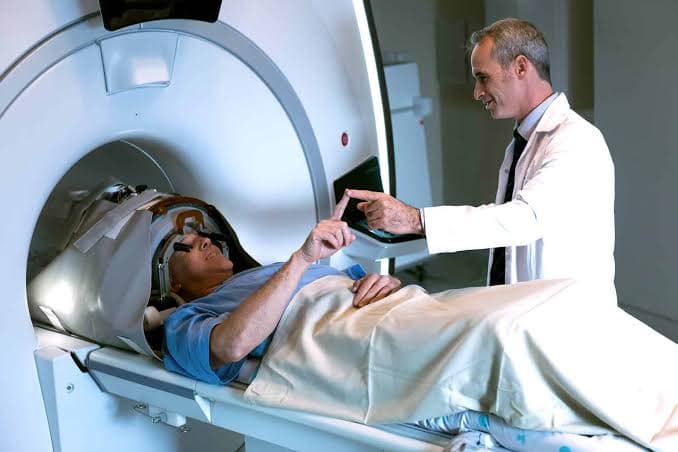
Unlike conventional open neurosurgery, MRgFUS does not require a surgical incision. Patients are generally awake and able to communicate while the team assesses neurological effects and treatment response.
You are not simply placed inside a machine and left alone.
The clinical team remains involved throughout the treatment process, communicates with you, and monitors your response. Sensations and comfort vary, so the team should explain what to expect before treatment.
After treatment
Because MRgFUS is incision-free, there is no open surgical wound to heal. Many patients can recover relatively quickly compared with open surgery, but recovery, observation, and return to activities differ from person to person.
Your doctor will provide individualized instructions about observation, activity, medications, and follow-up.
Potential effects can include headache, nausea, numbness or tingling, balance or walking difficulty, and speech or swallowing changes. Some effects may be temporary; some may persist. This is not a complete risk list.
Ask the treating specialist to explain personal risks, alternatives, and the lasting nature of the treated brain lesion.
Patient perspective
MedPobeda will only publish patient experiences that have been verified and appropriately authorized. Until then, this educational example shows the type of journey a patient may discuss with the clinical team.
Tremor had begun to interfere with simple daily activities, confidence, and independence.
Specialists reviewed the diagnosis, medicines, imaging, health factors, and whether MRgFUS was a suitable option.
The clinical team assessed the response, discussed recovery instructions, and arranged appropriate follow-up care.
Individual suitability
Suitability depends on much more than the name of a diagnosis. A qualified team must consider the patient, the tremor, the anatomy, previous treatment, risks, and reasonable alternatives together.
Send us your medical information and our team can help coordinate the next step in your evaluation.
International patient coordination
Our role is to help patients and families organize information, reach the right clinical team, and understand each next step. Medical decisions remain with qualified treating specialists.
Tell us about the patient, the diagnosis, and the tremor-related concerns.
Send relevant reports, scans, diagnosis details, and treatment history for review.
The medical team reviews the information and advises whether further evaluation is appropriate.
MedPobeda coordinates consultations and practical treatment planning without promising eligibility or dates.
Care proceeds under the treating team's protocol, with individualized follow-up planning.
A first step, guided with care
Every patient is different. If tremor is affecting independence, confidence, or everyday life, exploring treatment options can be an important first step. MedPobeda can help organize medical records, coordinate specialist evaluation, explain the MRgFUS pathway, and guide the practical next steps.

Medical information notice: Information on this page is provided for educational purposes only and does not replace professional medical advice. MRgFUS is not appropriate for every patient, and outcomes vary. Treatment suitability, expected benefits, potential risks, contraindications, and alternatives must be assessed individually by qualified medical professionals.
MedPobeda Group provides complete medical tourism support for patients from Uzbekistan and across Central Asia who are looking for advanced, affordable, and reliable medical treatment in India. From hospital selection and doctor consultation to visa support, travel coordination, interpreter assistance, and post-treatment follow-up, our team helps patients at every step of their medical journey with trusted hospitals in India.
Supporting Patients From
Need treatment in India?
Send your medical reports and our team will help you get a free medical opinion and estimated treatment cost from trusted hospitals in India.
Regional treatment access
Patients from Central Asia connect with expert doctors, trusted hospitals in India, and complete care coordination through one healthcare concierge team.
India Hospital Network
Expert doctors, affordable treatment in India, and guided coordination
Share your medical reports and receive expert opinion from trusted hospital partners in India.
Get transparent treatment package estimates before planning your travel for affordable treatment in India.
We help you choose suitable hospitals and doctors based on your diagnosis, urgency, and budget.
Support for medical visa guidance, airport pickup, accommodation planning, and travel coordination.
Russian, Uzbek, English, and Hindi communication support for patients and families in India.
Continued coordination after treatment for reports, follow-ups, recovery guidance, and next steps.